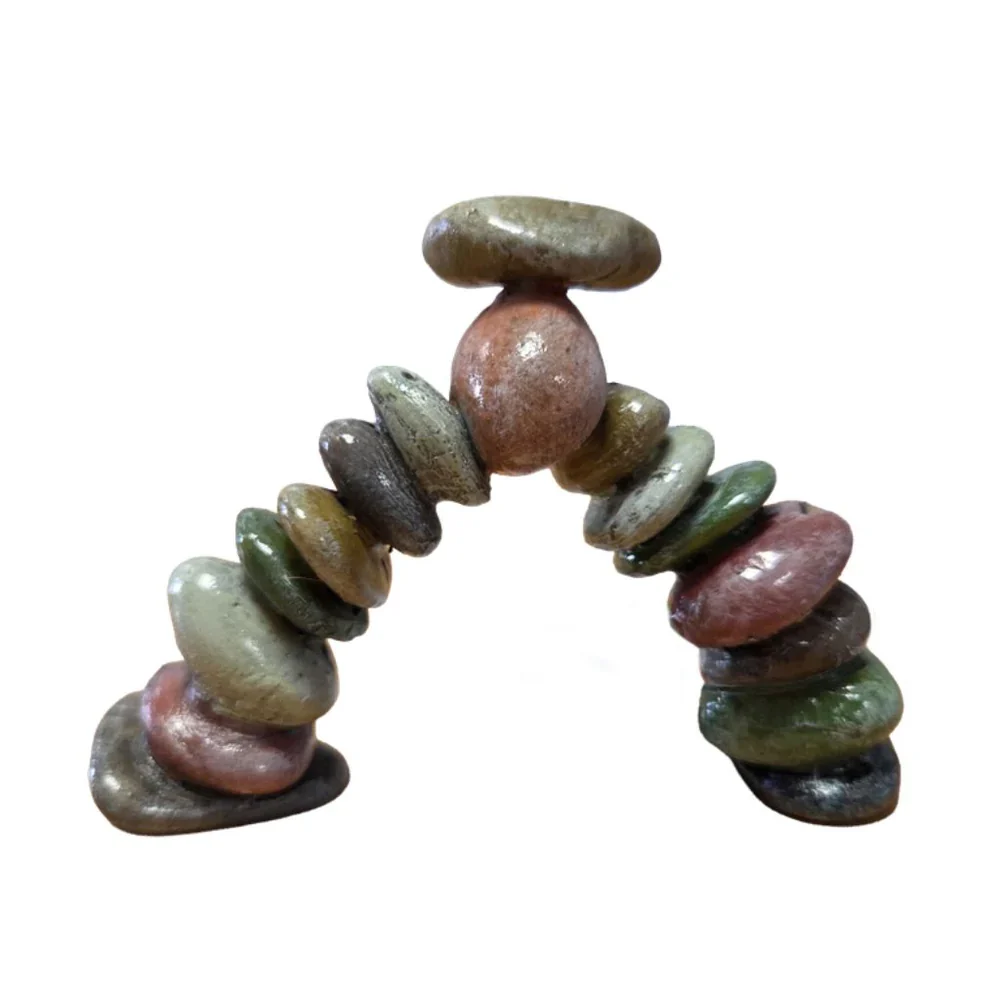

Bio-active Rock
Bio Active Rock - is an alternative to live rock.
The ceramic offers a vastly bigger surface than any live reef rock and on the other hand, there are no limits to the design and arrangement of the reef ceramics. Our Bio-Active Rock reef ceramics are better than natural rocks!
Bio-Active Rock have a functional design:
The light structure helps to improve the flow. The water can flow freely through the entire reef and even undercurrents are possible. This means no more sediments or heaps in the sand and the animals can use the space underneath the reef as swimming area or as a hide-out.
Bio-Active Rock made from ceramics are “sterile” and ready for bacteria implement, while live reef rocks may have bacteria, sponges, algae and crustaceans, even toxic substances. The sterile Bio-Active Rock have the extremely short introduction phase. The first inhabitants can move into their new home after only a couple of days.
Benefits:
- Made with microporous ceramic biologically effective surface for bacteria settlement.
- Special pore structure allows the INSTANT colonization by both aerobic and anaerobic bacteria to break down ammonia, nitrite and nitrate
- No release of phosphates, heavy metals, and does not change the pH of the aquarium
- Protect sea and wildlife from over exploitation of live rock which damage ecosystem greatly and polluted the sea
Original: $17.22
-70%$17.22
$5.17More Images


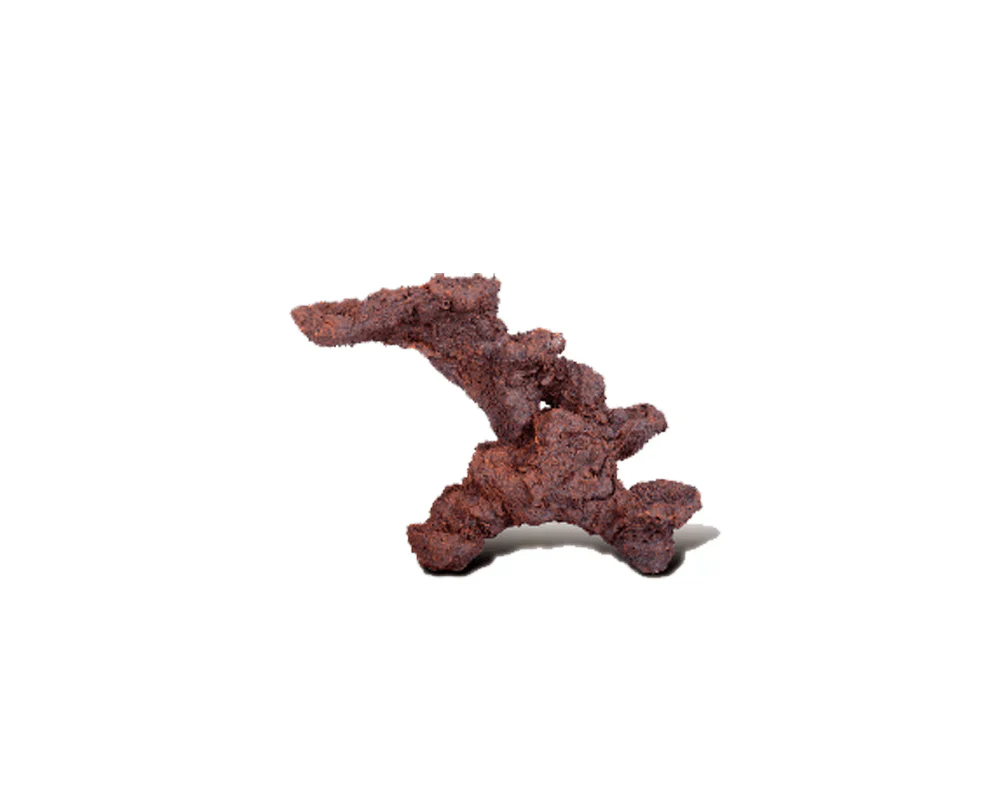


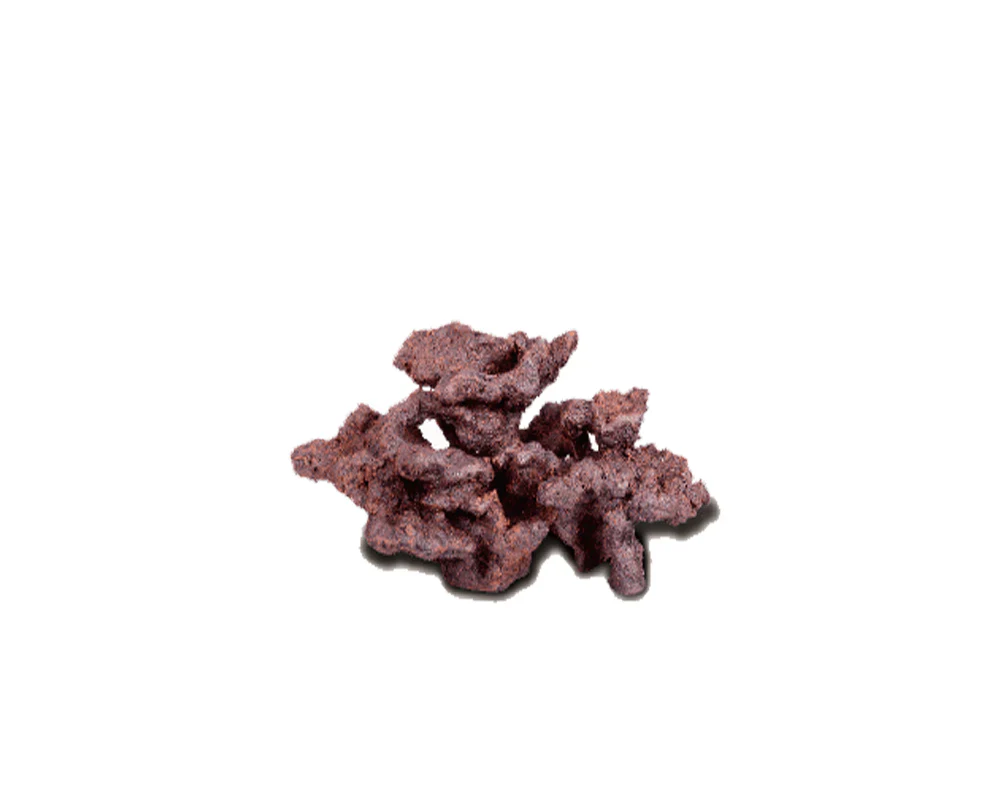

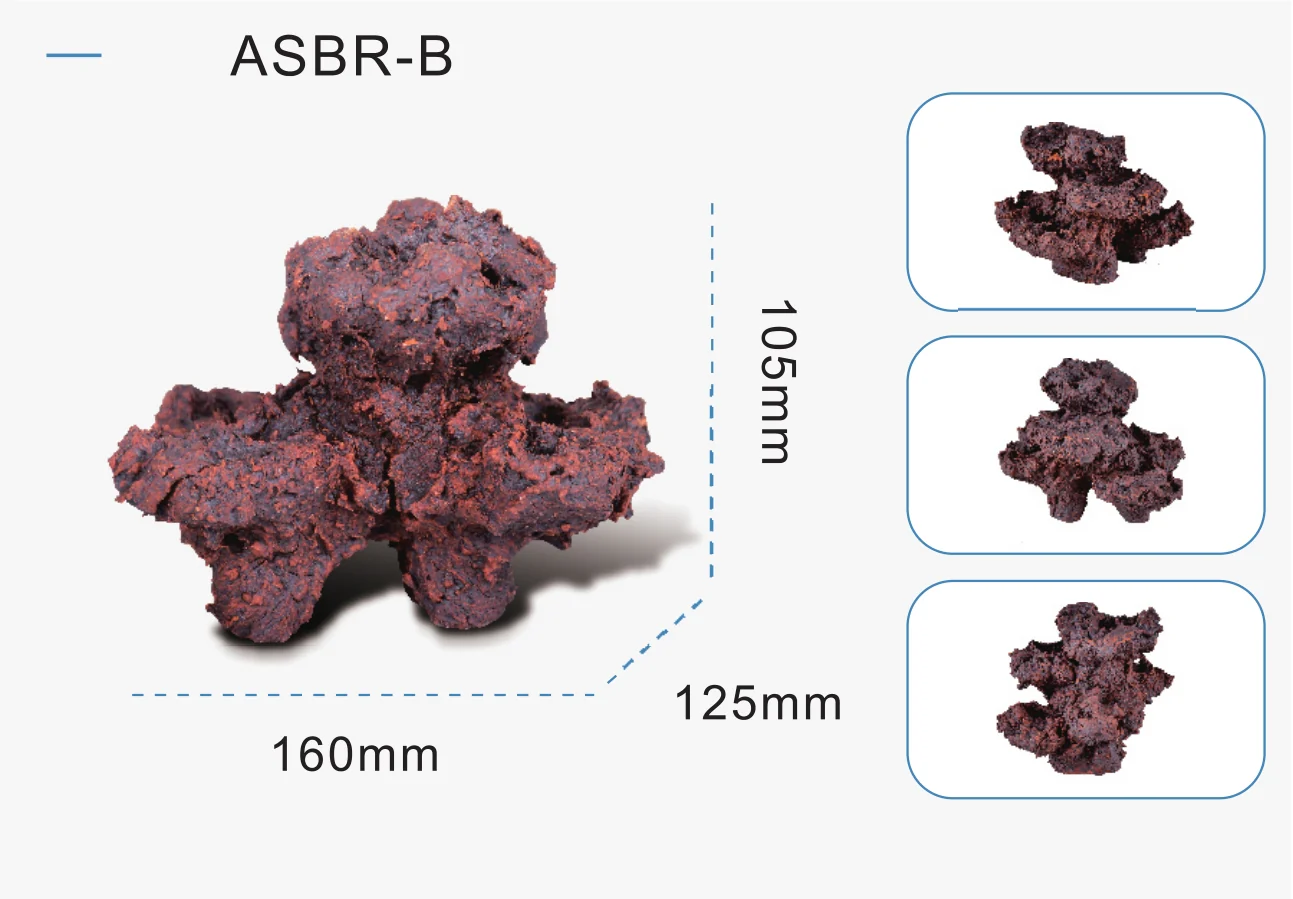


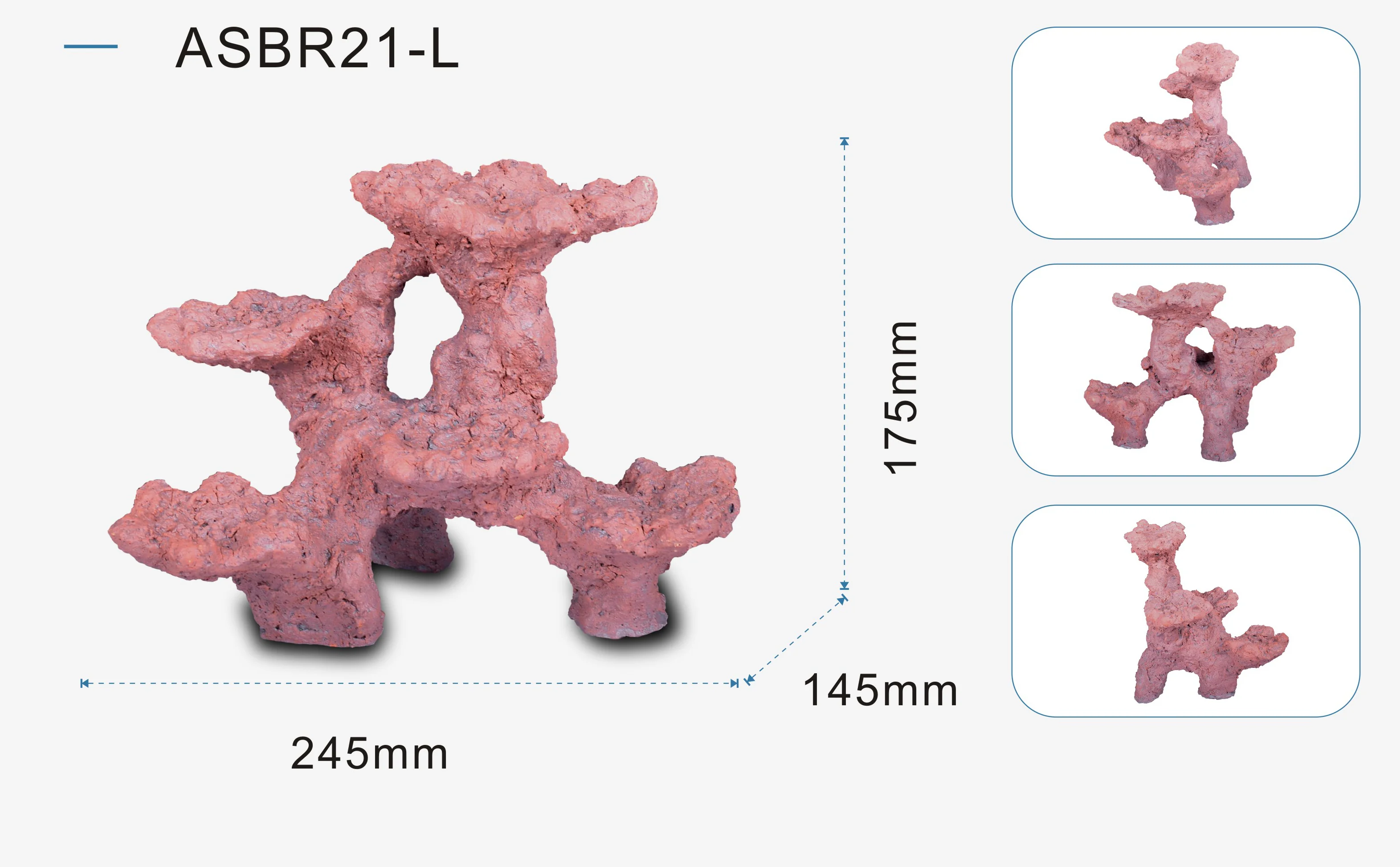


Bio-active Rock
Bio Active Rock - is an alternative to live rock.
The ceramic offers a vastly bigger surface than any live reef rock and on the other hand, there are no limits to the design and arrangement of the reef ceramics. Our Bio-Active Rock reef ceramics are better than natural rocks!
Bio-Active Rock have a functional design:
The light structure helps to improve the flow. The water can flow freely through the entire reef and even undercurrents are possible. This means no more sediments or heaps in the sand and the animals can use the space underneath the reef as swimming area or as a hide-out.
Bio-Active Rock made from ceramics are “sterile” and ready for bacteria implement, while live reef rocks may have bacteria, sponges, algae and crustaceans, even toxic substances. The sterile Bio-Active Rock have the extremely short introduction phase. The first inhabitants can move into their new home after only a couple of days.
Benefits:
- Made with microporous ceramic biologically effective surface for bacteria settlement.
- Special pore structure allows the INSTANT colonization by both aerobic and anaerobic bacteria to break down ammonia, nitrite and nitrate
- No release of phosphates, heavy metals, and does not change the pH of the aquarium
- Protect sea and wildlife from over exploitation of live rock which damage ecosystem greatly and polluted the sea
Product Information
Product Information
Shipping & Returns
Shipping & Returns
Description
Bio Active Rock - is an alternative to live rock.
The ceramic offers a vastly bigger surface than any live reef rock and on the other hand, there are no limits to the design and arrangement of the reef ceramics. Our Bio-Active Rock reef ceramics are better than natural rocks!
Bio-Active Rock have a functional design:
The light structure helps to improve the flow. The water can flow freely through the entire reef and even undercurrents are possible. This means no more sediments or heaps in the sand and the animals can use the space underneath the reef as swimming area or as a hide-out.
Bio-Active Rock made from ceramics are “sterile” and ready for bacteria implement, while live reef rocks may have bacteria, sponges, algae and crustaceans, even toxic substances. The sterile Bio-Active Rock have the extremely short introduction phase. The first inhabitants can move into their new home after only a couple of days.
Benefits:
- Made with microporous ceramic biologically effective surface for bacteria settlement.
- Special pore structure allows the INSTANT colonization by both aerobic and anaerobic bacteria to break down ammonia, nitrite and nitrate
- No release of phosphates, heavy metals, and does not change the pH of the aquarium
- Protect sea and wildlife from over exploitation of live rock which damage ecosystem greatly and polluted the sea